Little Haiti
Little Haiti is the real Little Haiti, the Caribbean neighbourhood north of Downtown Miami. It is named directly in Trailer 2, and it is the one in-game district on our route whose real-world name is completely unchanged, which makes it the easiest place in the game to stand in and confirm.
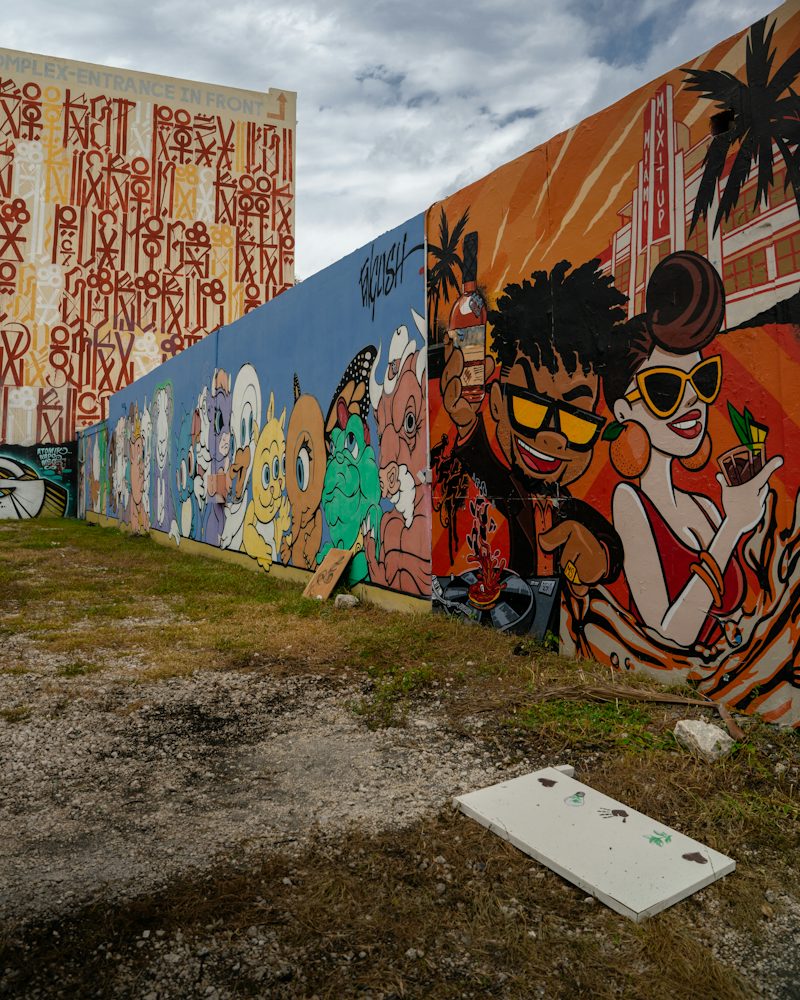
At a glance
- Address
- 500 NW 2nd Ave, Miami, FL 33128
- Coordinates
- 25.8065, -80.217
- District
- Vice City
- Confidence
- Official naming
- Where it is seen
- Trailer 2 (1:02)
How confident are we?
Trailer 2 names Little Haiti, as do the character pages for the game's characters in Vice City.
Little Haiti was settled in the 1950s by Haitian and Caribbean immigrants and is now the cultural heart of a much larger Caribbean community in Miami. It covers roughly 60 city blocks north of Downtown, bounded by NW 20th Street, NW 6th Avenue, Biscayne Boulevard and I-395.
What to actually look at
The district's spine is NW 2nd Avenue, and the landmark everybody photographs is the mural at the corner of NW 2nd Avenue and NW 21st Street: a large painted hand and the words of the motto of the Northside Alliance, the community organisation that has held the neighbourhood together for decades.
The other anchors are the Caribbean cultural centre and the plaza next to it, the bakery counters along NW 2nd, and the small bars that fill the blocks behind the churches. The neighbourhood does its best work at weekends, when there is a genuine market atmosphere rather than a daytime one.
| Detail | The real thing |
|---|---|
| Address | 500 NW 2nd Ave, Miami, FL 33128 |
| Coordinates | 25.80650, -80.21700 |
| In-game name | Little Haiti |
| District in game | Vice City |
| Anchor | The Northside Alliance mural |
| Also | Caribbean cultural centre |
Food worth stopping for
Haitian patties, accra, fried plantain and griot are the order of the day, and the Haitian grocery counters on NW 2nd sell the spices and imported staples that the whole neighbourhood cooks from. A patty and a juice box is the standard local lunch.
A neighbourhood, not a set
Little Haiti is residential. The murals and the plaza are public, and the church and the cultural centre are open to visitors, but most of the streets here are people's front doors. Walk, keep noise down, and photograph the art rather than the people.
Where it sits on our route
Little Haiti is stop six on the Miami Vice City small-group tour, with a stop at the cultural centre and a Haitian patty on the way through. It is the quietest of the eight stops and, for a lot of guests, the one they remember most.
The murals
Northside Alliance has been commissioning and maintaining murals across the district for more than three decades, and they are about place rather than about art: they name the community's history, its founders and its demands. The most photographed is the hand on the corner of NW 2nd Avenue and NW 21st Street, and the block behind it is the one to walk slowly.
Frequently asked questions
Is Little Haiti in GTA 6 the same as the real Little Haiti?
Yes. Unlike most in-game names, this one was left unchanged, and Trailer 2 shows the district in Vice City. The real Little Haiti is the Caribbean neighbourhood north of Downtown Miami, centred on NW 2nd Avenue.
What is the most photographed spot there?
The mural at NW 2nd Avenue and NW 21st Street, and the Caribbean cultural centre and plaza next to it, which is where the community's gatherings happen.
Do you stop there on the tour?
Yes, stop six on the Miami Vice City small-group tour, including a cultural centre stop and a patty.
See it on a Leonida Tours route.
Little Haiti is one of the stops we drive past every day. Join a small group and see it in person, with a local guide who knows what to look for.
See this on the tour
Unofficial tours. Leonida Tours is an independent tour company. Our tours are not affiliated with, endorsed, sponsored or licensed by any game publisher or their affiliates. All game titles, characters, place names and trademarks belong to their respective owners and are used here only to describe the real-world locations that inspired them. Every stop on our tours is a real, publicly accessible place. Photography via Unsplash.